Subscribe
Share
Share
Embed
Your no bullsh$t guide to divorce with experienced attorneys from New Direction Family Law and guests and professionals who have been there. Unfiltered discussions to help you move from victim to victorious and from bitter to better.
80 - Exit Strategy - Mistakes
===
[00:00:00]
Elizabeth A. Stephenson, MSW: we are also, um, a one consent state. And what is that? That means. You know, anybody can tape anybody that if you're on a phone call or you're sitting across the table from someone or you're at an exchange mm-hmm. With your children, the other party can be taping and recording you and that's legal to do.
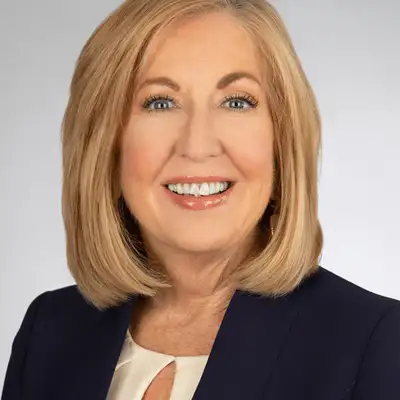
Hi, I am Elizabeth Stevenson. I'm a partner with New Direction Family Law.
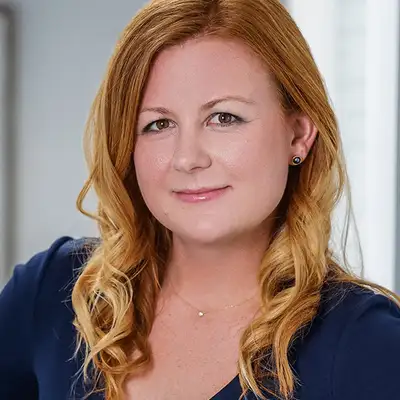
Sarah J. Hink: And I'm Elizabeth Stevenson's, partner Sarah Hink. And we are the attorney's New Direction Family Law. And we're gonna be talking today about some information that could help you if you're going through a separation and divorce.
Elizabeth A. Stephenson, MSW: Absolutely.
Sarah J. Hink: Starting with the biggest mistakes that people make during divorce,
Elizabeth A. Stephenson, MSW: they do, what would you, how would you start this off, Sarah?
Sarah J. Hink: Well, you know, I think there's a lot of mistakes she can [00:01:00] make and it's kind of like, do you wanna pick a financial mistake or an emotional mistake? You know, there's lots of mistakes.
True. So I think that emotions are so high that people are more likely to do something that they might regret.
Elizabeth A. Stephenson, MSW: I agree.
Sarah J. Hink: So like the simplest one, what we always tell everyone is, you know, be careful with your social media. Correct. Because. You know, evidence gathering is out there, especially if you have children.
Elizabeth A. Stephenson, MSW: Correct?
Sarah J. Hink: Um, whatever you put forth in the public world can be shown in court.
Elizabeth A. Stephenson, MSW: Right. So that, and it's out there forever. You may think, oh, I'll take it down, or I post it and I'll get rid of it. Somebody's taking a screenshot of it, I can assure you. And it's gonna show up in somebody's exhibit notebook.
Sarah J. Hink: Yeah. Where
Elizabeth A. Stephenson, MSW: we go to court.
Sarah J. Hink: Even if it doesn't like have their specific name. I hear that a lot. Well, I didn't refer to 'em, but you, you said like my, you know. Ex-husbands are the worst. All they do is lie, cheat, and steal. Right. And it's like, well, yeah, you didn't name him, but,
Elizabeth A. Stephenson, MSW: but that must be his attitude.
But
Sarah J. Hink: yeah.
Elizabeth A. Stephenson, MSW: And we also look at not only the parties, but like opposing parties, um, had a case where we looked up parties, [00:02:00] party's mom.
Sarah J. Hink: Yeah.
Elizabeth A. Stephenson, MSW: And she was posting all sorts of stuff about the grandchildren and mom Yeah. And all of that sort of stuff. So it did not go well.
Sarah J. Hink: Keep your people in check.
Elizabeth A. Stephenson, MSW: Yes.
Sarah J. Hink: You text messages are discoverable.
Yes. So there's plenty of times where we ask for text messages between someone and their parent or someone and their best friend. Right. So just be careful what you put in writing. Like everything can come in.
Elizabeth A. Stephenson, MSW: That's what I agree. I agree with that. I was talking to somebody today and we were talking about.
Do you, does mom FaceTime with the kids or, um, contact them and he goes, no, not anymore, but they text a lot and it's like, oh, well you might wanna see what those texts say because a lot of times one parent may. You see in an allegations, well, the child doesn't wanna live with dad anymore or say the child's saying this and that.
And you wanna make sure the mom is not putting those ideas in that child's head to say this and that. Yeah. And you can kind of see that in text messages between them sometimes. Yeah.
Sarah J. Hink: We have seen those text messages.
Elizabeth A. Stephenson, MSW: We have seen those text
Sarah J. Hink: messages. And you judges do not like that.
Elizabeth A. Stephenson, MSW: They do [00:03:00] not like that,
Sarah J. Hink: yeah.
At
Elizabeth A. Stephenson, MSW: all.
Sarah J. Hink: Not at all.
Elizabeth A. Stephenson, MSW: No.
Sarah J. Hink: And so obviously, yeah, be careful what you put in writing.
Elizabeth A. Stephenson, MSW: Right. And be careful what you tell your, tell your friends. Two. Mm-hmm. Um, I'll never forget this. I was, had the best friend up on the stand and I don't know why I asked this question, but she was just talking. I said, well, and, and what does you know clients say about opposing party?
And that did not go well at all. Wasn't terrible. Oh no. But it wasn't, but, and you can kind of swing it that she was upset and you know, she didn't really mean it. She only said it to her. The kids never heard it or whatever. Yeah. But the judge was not happy about. That, you know, and it's in, if you're texting with your best friend or DMing with your best friend, that's can be discoverable too.
Sarah J. Hink: Yeah. I mean, just keep it outta writing and I don't know if your best friend's gonna go up there and put you on blocks and that's,
Elizabeth A. Stephenson, MSW: you
Default_2026-03-31_1: can
Sarah J. Hink: do about it, I guess. Yeah. But it's understandable that you're gonna wanna vent and that you are gonna wanna call 'em and that's your best friend then you are.
Elizabeth A. Stephenson, MSW: And you're going to.
Absolutely.
Sarah J. Hink: [00:04:00] But, and it's, it's allowed. Just be careful.
Elizabeth A. Stephenson, MSW: Yes. And we are also, um, a one consent state. And what is that? That means. You know, anybody can tape anybody that if you're on a phone call or you're sitting across the table from someone or you're at an exchange mm-hmm. With your children, the other party can be taping and recording you and that's legal to do.
Sarah J. Hink: Yeah. One party consent states. Right. That means only one party to the conversation has to consent to the recording, which is the recorder typically in those situations. Correct. Um, can't be wire taping. That means you can't set
Elizabeth A. Stephenson, MSW: up
Sarah J. Hink: a, set up a recording device and not be present and not be in the conversation that that's illegal.
Right. Don't do that.
Elizabeth A. Stephenson, MSW: Right.
Sarah J. Hink: Um, yeah. So be careful who you say things to, what you put in writing. Then when you're. Working with your attorney. Big thing I see is, you know, listen to your attorney's advice,
Elizabeth A. Stephenson, MSW: right?
Sarah J. Hink: Do what you're supposed to do, provide the documents that you requested,
Elizabeth A. Stephenson, MSW: correct.
Sarah J. Hink: It's never good when we show up in court over a motion to compel, meaning the, the other attorney's asking for certain documents and your client's being.[00:05:00]
Hiding them not giving them away. Right. Like that's not a good look. Judges do not like that.
Elizabeth A. Stephenson, MSW: No. Just assume that you're trying to hide something.
Sarah J. Hink: Yeah. And you're not being smart by not doing it.
Elizabeth A. Stephenson, MSW: No. And if you may not wanna turn 'em over, but you got to.
Sarah J. Hink: Yeah. So listen to your attorneys,
Default_2026-03-31_1: so
Elizabeth A. Stephenson, MSW: listen to your attorneys.
Sarah J. Hink: Please. Give them the documents that we ask for. Yeah.
Elizabeth A. Stephenson, MSW: And it's not, and we're asking for a reason. One in lots of counties now it's required to provide certain financial documents.
Sarah J. Hink: Mm-hmm.
Elizabeth A. Stephenson, MSW: So it's not us just being mean or making you do extra work. Right. It's like you're required to do that And so, and we need it, you know?
'cause we have to figure out what your marital state is, what your income is, what you need for child support. And if we don't have that, we can't help you.
Sarah J. Hink: Right.
Elizabeth A. Stephenson, MSW: Kind of thing.
[00:06:00] Be careful who you take advice from.
Elizabeth A. Stephenson, MSW: Yes. Um, don't go get your Google law degree. Um, and, and don't use Claude
Sarah J. Hink: Ai. Ai cha GBT.
Elizabeth A. Stephenson, MSW: Yes.
Sarah J. Hink: I'm seeing that so much in other, like, opposing parties, bank records.
So like I know that they're, they're doing their own stuff and I'm like, oh, you're just paying cha GDP like $300 a month. Whatcha are you doing? Right. But
Elizabeth A. Stephenson, MSW: then, but we'll get emails, but we get emails from clients now that are like pages and. [00:07:00] Pages long and you can tell
Sarah J. Hink: that. Can we start to read them? It takes me a long time to read straight gibberish like nonsense that goes on for pages.
Elizabeth A. Stephenson, MSW: Right. And it doesn't necessarily mean that it applies to North Carolina or even that it's, right. No. So, you know, we would ask that you, you can certainly, you're gonna ask and you're gonna Google and do that, but please listen to your. Attorney because they're the ones that are licensed. Yeah. And barred.
And they're the ones that know the law. In North Carolina, if
Sarah J. Hink: you send long emails that take my mind a long time to comprehend what you are even talking about, I'm gonna charge you for it.
Elizabeth A. Stephenson, MSW: For it. Absolutely.
Sarah J. Hink: Use some normal language, gimme a phone call, just ask me your question.
Elizabeth A. Stephenson, MSW: Right. Just ask a question, shoot an email.
We'll answer. We always do, you know, we work in a team, so if you can't get Sarah, I, you'll get our paralegal, but just keep it simple,
Sarah J. Hink: you know? Yeah. I've, I've seen a lot more ai, I got discovery responses back in a case in. That person just used AI and it was just, it was just crazy. And then we went to trial and his attorney used it and as exhibits, and of course it didn't come in.
I was just like, what are y'all doing? What planet are you on? Like this is not reality know, which I guess [00:08:00] is exactly what it's supposed to.
Elizabeth A. Stephenson, MSW: What is about, it's right.
Sarah J. Hink: Yeah. It's infiltrating the legal world a little bit, but it's not working out well.
Elizabeth A. Stephenson, MSW: No, it's not at all, was what I would say.
Sarah J. Hink: No. Um, so another thing is.
Don't act recklessly like I understand relationships when they end are hard. Don't go on a bender, you know, don't do anything that you're gonna regret that might come back to you in the custody case or a spousal support case. Go out partying all the time, drinking a lot, making a. Dumb decisions over your emotional turmoil.
Elizabeth A. Stephenson, MSW: I agree.
Sarah J. Hink: Um, it's not the, the time or place for that.
Elizabeth A. Stephenson, MSW: No, it's not. And as you said, divorce is hard. And we always encourage folks, nothing wrong with you. Go get a therapist. Go talk to a counselor. And, and use that time to work on getting your emotions in check, because if you don't, let's say you're, you're out, you're out, you're partying.
You get a DUI that, that's like, it's gonna blow it up. That's gonna blow your case up. You're gonna be on a Soberlink device where you have to blow into it and your kids are gonna [00:09:00] see, you know, it's just, it doesn't go well.
Sarah J. Hink: No. Then you have more attorney's fees.
Elizabeth A. Stephenson, MSW: That's right.
Sarah J. Hink: So be careful in that I know that it's, you know, some people spiral.
Just don't try not to spiral. Go spiral in the therapist office instead.
Elizabeth A. Stephenson, MSW: And some people think, oh, well if I don't have my kids, I can do whatever I want. But that's, I mean. Fair. But you know, still, if you're all partying every night or you got different people in your house every night, it's not a good, it's not a good, stable environment.
Sarah J. Hink: You gonna look in bad light and just think about if you're in a very contentious custody case
Elizabeth A. Stephenson, MSW: where I guarantee that there is a pf could be following you that are, yeah, that are taking pictures of you and following you and doing all sorts of things that can be put into a report. That can then be brought into evidence.
Sarah J. Hink: And I see many times where oh, during the marriage, you know, he also drank during dinner with the kids.
Elizabeth A. Stephenson, MSW: Right.
Sarah J. Hink: Well the times are different. Exactly. Right. And they're gonna use everything against you. That's right. That they can, and they might lie too and say, no, she always drank five times as much as I did.
And, and try to just make a whole case about that. Right. [00:10:00] Even if it was never a big deal during the marriage, it might build a whole case and try to make it a big deal now.
Elizabeth A. Stephenson, MSW: I agree. And um, back to your point of. Follow your, um, one, follow your attorney's advice, so be honest with your attorney.
Sarah J. Hink: Mm-hmm.
Elizabeth A. Stephenson, MSW: There are so many, not so many times, but times when I know that it, that you may feel embarrassed, you may not want to share something, but.
When, if I find that when you don't wanna turn your text messages over to me, I feel like there's an or you want to pick and choose. Mm-hmm. I need, we need to see all of them. 'cause we're not going to, you know, we just wanna see what's out there.
Sarah J. Hink: Yeah.
Elizabeth A. Stephenson, MSW: So when I'm talking to an opposing counsel and I'm saying one thing because you've only shared a couple things with me, and then I get sent lots of emails that say the exact opposite of sort of what you've told me.
That's, that's, that's a problem. Yeah. And I can't. I don't know how to help you if you're not honest with me, right. It wouldn't have been fatal by any means if you would just let me know. We could have worked around it, but not knowing and putting things in complaints that are verified. [00:11:00] It can be, um, difficult Yeah.
To, to overcome sometimes.
Sarah J. Hink: Because even if it's not a point of contention, maybe, but the fact that you are not being truthful
Elizabeth A. Stephenson, MSW: Correct.
Sarah J. Hink: Call, you know, the judge is gonna say, well, I don't know that you're a credible witness. Right. Why should I believe you about anything that you're saying?
Elizabeth A. Stephenson, MSW: Right. Because a lot of times it's just, it is a, especially in a domestic violence issue, it's a, he said, she said, for the most part, a lot of times in custody it is.
So if, if you can mess up somebody's credibility with a judge and that. That's, that's is, could be fatal to your case for sure. Such
Sarah J. Hink: judges just one day with you, they're making
Elizabeth A. Stephenson, MSW: or an hour with you?
Sarah J. Hink: Yeah. Or an hour.
Elizabeth A. Stephenson, MSW: Right.
Sarah J. Hink: They just in the county we practice most in, in, in Wake County, they reduced by the time down to two hours for certain court day, weeks.
Right. It's tough and it's hard. The judge has to make a decision based off that little information. It does. So if they just put you up there as a liar, that's gonna be problematic.
Elizabeth A. Stephenson, MSW: Problematic. And it's gonna follow you because there's probably a finding of fact, I've had findings of fact that say either my client or the other client or the other [00:12:00] party, I didn't find that party credible or their, their testimony wasn't credible.
And that's a finding of fact that's gonna follow you throughout the case of the life of your case. So you just need to be careful.
Sarah J. Hink: Yeah. And on
Elizabeth A. Stephenson, MSW: the credit, the trust does, I mean, if you hired us, you're paying us money. It's not going anywhere if we don't want it to go anywhere.
Sarah J. Hink: Right. And same line as the credibility is financial credibility.
Elizabeth A. Stephenson, MSW: Absolutely.
Sarah J. Hink: What are you doing? Either money?
Elizabeth A. Stephenson, MSW: Yes.
Sarah J. Hink: Are you purposely hiding it but not doing a very good job at it? I mean, like judges do not have time for that. They will, they know,
Elizabeth A. Stephenson, MSW: right?
Sarah J. Hink: Like it doesn't look good.
Elizabeth A. Stephenson, MSW: No, it
Sarah J. Hink: doesn't.
You're spending all this money on your new girlfriend. When you're claiming I have no money to pay, like child support, child support, responsible support.
Oh, no sir. Ma'am, we know we can see,
Elizabeth A. Stephenson, MSW: right?
Sarah J. Hink: Like, that doesn't look good. Right? You know, like you're being reckless with your money.
Elizabeth A. Stephenson, MSW: I agree.
Sarah J. Hink: Reckless with your decisions that are in the financial field. You have a business and you know, you're doing some shady things behind the scenes. I mean, we can figure that out too,
Elizabeth A. Stephenson, MSW: right?
And if it, you know, what's done is done, but you gotta let us know [00:13:00] so we can clean it up and, and take care of it and present it in the best life. But you gotta be upfront. And honest with us. Just, just saying so.
Sarah J. Hink: Yes, for sure. So I think those are some, some real big mistakes.
Elizabeth A. Stephenson, MSW: Yeah. Like social media, your, um, your finances.
Be upfront and honest. Give us what we ask for. Don't pick and choose because it's gonna come out and we're gonna find out. And it may be something that we can't clean up afterwards. Yeah.
Sarah J. Hink: Listen to your attorney. Talk to your attorney. Don't go MIA that happens.
Elizabeth A. Stephenson, MSW: No, and that's always a, I always feel like that's a clue.
Like if people. Don't respond, then they're just being avoided. Which I under, I think that's that's just human. Yeah, that's what you do. But you know, you can't. Can. You can do that, but we can't represent you effectively if you do.
Sarah J. Hink: Right.
Elizabeth A. Stephenson, MSW: Yeah.
Sarah J. Hink: And it's gonna find you one day. I mean, when that happens and someone just puts their head in the sand, that just means eventually we have to end up in court.
Right. Even if we were trying not to
Elizabeth A. Stephenson, MSW: Right. Then that's the worst place. That's the last place you wanna be.
Sarah J. Hink: Yeah, exactly.
Elizabeth A. Stephenson, MSW: Yeah.
Sarah J. Hink: [00:14:00] So avoid these mistakes. Listen to more of our podcasts for information on what to do.
Elizabeth A. Stephenson, MSW: Absolutely.
Sarah J. Hink: And
Elizabeth A. Stephenson, MSW: ain't
Sarah J. Hink: that some
Elizabeth A. Stephenson, MSW: shit? That's bullshit.